When stucco starts to look faded, stained, or patchy, most homeowners face the same choice: stucco recoating vs painting. Both options refresh the look of your home. Both add a layer of protection. But they work in very different ways, and the right choice depends on the condition of your walls.
Painting puts a coat of paint over the stucco surface. Recoating adds a new layer of stucco finish with the color built in. One is a film on top of the wall. The other becomes part of the wall.
In New York, where winters are tough on exterior finishes, that difference matters. In this guide, we’ll compare how each option works, what it costs over time, and how long it lasts. We’ll also show which situations favor one or the other, so you know which questions to ask your contractor. You’ll also see why repairs always need to come first.
How Stucco Painting Works
Stucco painting uses masonry or elastomeric paint made to go on cement-based surfaces. The walls are washed, cracks are patched, and bare spots are primed. Then two finish coats go on by sprayer, roller, or brush.
Paint is a great way to change color quickly. It also adds a protective layer that sheds water. Elastomeric paints can even bridge hairline cracks.
The downside is that paint forms a film. If moisture gets trapped behind it, it can bubble and peel. Painted stucco also needs repainting every several years, and each new coat adds another layer to maintain.
Once stucco is painted, going back to an unpainted finish is difficult.
How Stucco Recoating Works
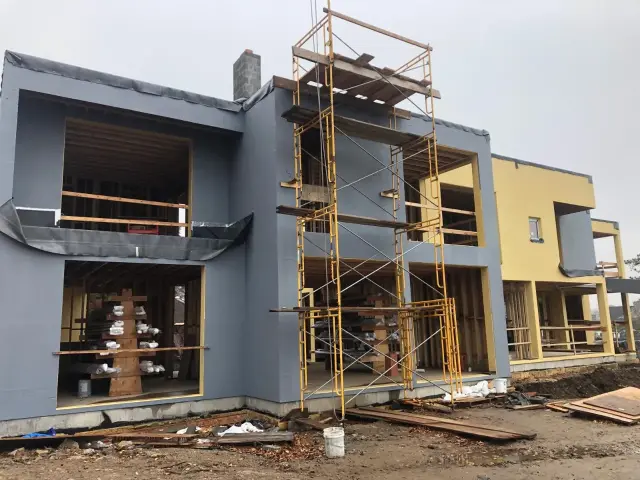
Stucco recoating applies a new finish coat over sound existing stucco. The color is mixed into the material itself. Common options include a thin cement-based fog coat and acrylic stucco finishes.
Because the color is part of the coating, it doesn’t peel the way paint can. A recoat also renews the texture of the wall. Old patches, uneven areas, and worn spots blend into one consistent surface.
Recoating takes more skill than painting. The texture must match, and the material needs the right conditions to cure. It’s also not a good fit over stucco that’s been painted many times. In that case, the paint must be removed or properly prepped first.
Comparing Cost, Lifespan, and Upkeep
Painting usually costs less upfront. The materials are less expensive, and the process is faster. That makes it attractive when the stucco is in good shape and you mainly want new color.
Recoating often costs more at first, but it can last longer between updates. Since it doesn’t peel, it may need less upkeep over time. It also fixes texture problems that paint can’t hide.
The best value depends on your goals. If you plan to sell soon, a fresh coat of paint may be enough. If you plan to stay and want fewer repaints, recoating can be the smarter long-term choice. Ask your contractor to explain both options on your specific walls.
Which Option Fits Your Home?
Choose painting when your stucco is solid, the texture looks good, and you want a quick color change. It’s also the natural choice when your stucco is already painted and the paint is in fair condition.
Choose recoating when your stucco has never been painted and you want to keep it that way. It’s also a strong option when the wall has visible patches, uneven texture, or heavy fading.
Either way, repairs come first. Cracks, soft spots, and water damage should be fixed before any new finish goes on. A contractor who handles both painting and recoating can give you an honest comparison.
You won’t get pushed toward one service over the other.
Ready to talk about your walls? Request a free estimate from K&M Coating.