Can you paint stucco? Yes, you can, and it’s one of the easiest ways to change the look of a stucco home. But stucco isn’t like wood or vinyl siding. It’s porous, textured, and full of tiny pores that hold moisture. The wrong approach can lead to peeling paint, trapped water, and a finish that looks worse than before.
Many homeowners in New York, Connecticut and New Jersey decide to paint stucco when the original color fades or starts to look dated. Others want a fresh look before selling. Whatever the reason, a few smart choices make a big difference in how long the paint lasts.
This guide covers what you should know first. We’ll look at when painting is a good idea and which paints work on stucco. We’ll also explain how the walls should be prepped and what to expect from the finished job. With the right plan, painted stucco can look great and protect your home.
When Painting Stucco Makes Sense
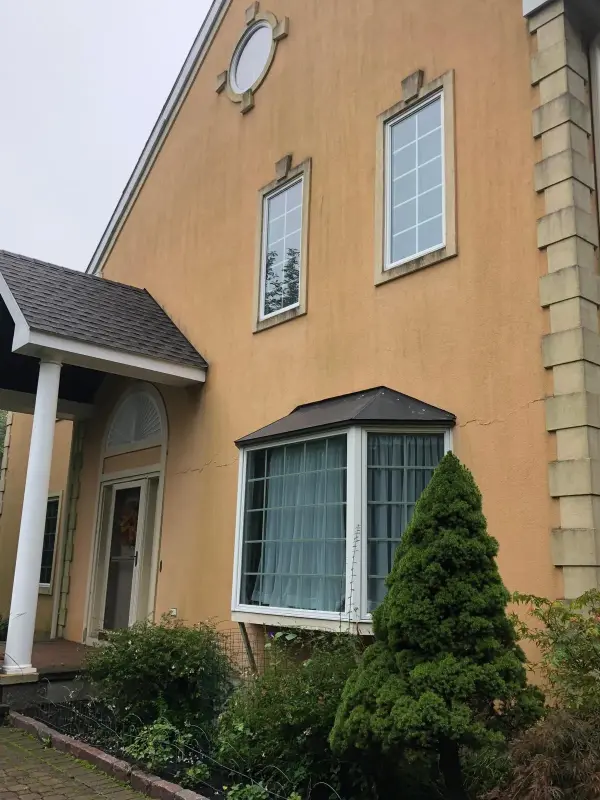
Painting is a good option when the stucco is solid and you simply want a new color. Faded walls, dated colors, and minor stains are all easy to fix with paint. It’s also a smart move when your stucco was already painted and the old coat is wearing thin.
There are times to wait, though. If the stucco is cracked, bulging, or damp, those problems need repair before any paint goes on. Paint won’t hide structural issues, and it can trap moisture inside damaged walls.
New stucco also needs time. Fresh cement stucco must cure before painting, usually several weeks.
Painting too soon can lead to peeling and blotchy color.
Choosing the Right Paint
The paint you pick matters more on stucco than on almost any other surface. Stucco needs a coating that lets moisture escape. Otherwise, vapor builds up behind the paint and pushes it off the wall.
Breathable masonry paints are a common choice. They bond well to cement and allow vapor to pass through. Elastomeric coatings are thicker and stretch to bridge hairline cracks. They work well on walls with small cracks, but they need the right conditions to perform.
Avoid paints made only to go on wood siding. They may look fine at first but often fail early on stucco. A painter who works with stucco can match the product to your walls and climate.
Prep Work Makes or Breaks the Job
Most of the work in stucco painting happens before the first coat. The walls must be clean, dry, and sound. Dirt, mildew, and chalky residue keep paint from bonding.
Prep usually starts with a careful wash at low pressure, which protects the stucco texture. Next, cracks are patched and matched to the surrounding surface. Loose or peeling paint is scraped away, and bare areas get a masonry primer.
Windows, trim, plants, and walkways are covered before painting begins. Skipping any of these steps can shorten the life of the paint. When you compare quotes, ask each contractor to explain their prep process.
It tells you a lot about the quality of the finished job.
What to Expect From the Finished Job

Textured stucco takes more paint than flat siding. The paint has to reach into every pore and ridge. That’s why many jobs use a sprayer, followed by back-rolling to push paint into the surface.
Most stucco walls need two finish coats to look even. Weather plays a big role too. In New York, Connecticut and New Jersey, the best painting season runs from late spring to early fall. That’s when it’s dry and mild.
When the job is done right, painted stucco looks clean and uniform from top to bottom. It also gains a layer of protection against rain and sun. If your walls have heavy damage or many paint layers, ask about recoating as another option.
Ready to talk about your walls? Request a free estimate from K&M Coating.