How long does stucco last? When it’s installed correctly and well maintained, traditional cement stucco can protect a home through several decades. Many older homes in the Northeast still have their original stucco walls. Others need major repairs after only a few years, even when they look similar from the street.
The difference comes down to a few key factors. Installation quality, climate, drainage, and maintenance all play a role. In New York, freeze-thaw cycles and heavy rain add extra stress that stucco in milder climates doesn’t face.
If you own a stucco home or you’re thinking about adding stucco, it helps to know what affects its lifespan.
In this guide, we’ll explain how long stucco usually lasts and what shortens its life. We’ll also cover the signs it’s wearing out and the simple steps that help it last longer. Most of those steps are easy and cost very little.
The Typical Lifespan of Cement Stucco
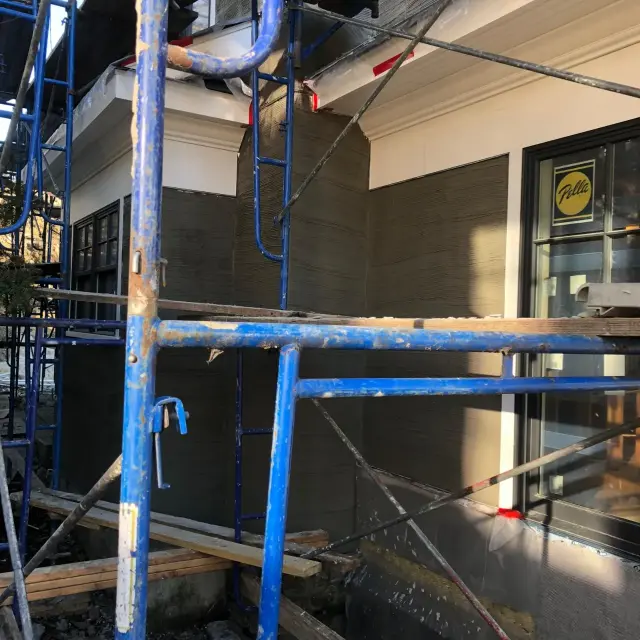
Traditional cement stucco is one of the longest-lasting exterior finishes. It’s made from Portland cement, sand, lime, and water, applied in layers over lath or masonry. Once cured, it forms a hard shell that resists fire, rot, and insects.
With good installation and regular upkeep, cement stucco can last several decades. Some homes keep their original stucco even longer. The finish coat or paint on top wears faster and may need refreshing every several years.
It’s important to separate the stucco itself from its surface finish. Faded color doesn’t mean the stucco is failing. Often, a recoat or fresh paint is all the wall needs to look new again.
What Shortens Stucco Life in New York, Connecticut and New Jersey
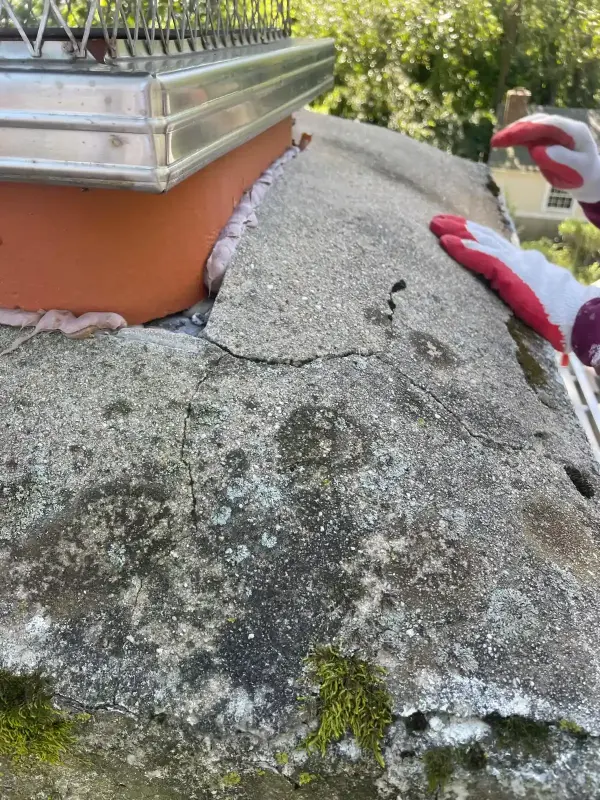
Water is the biggest enemy of stucco. When moisture gets behind the finish, it can rot framing and rust metal lath. It can also cause stucco to separate from the wall. In New York, freeze-thaw cycles make that worse by widening small cracks each winter.
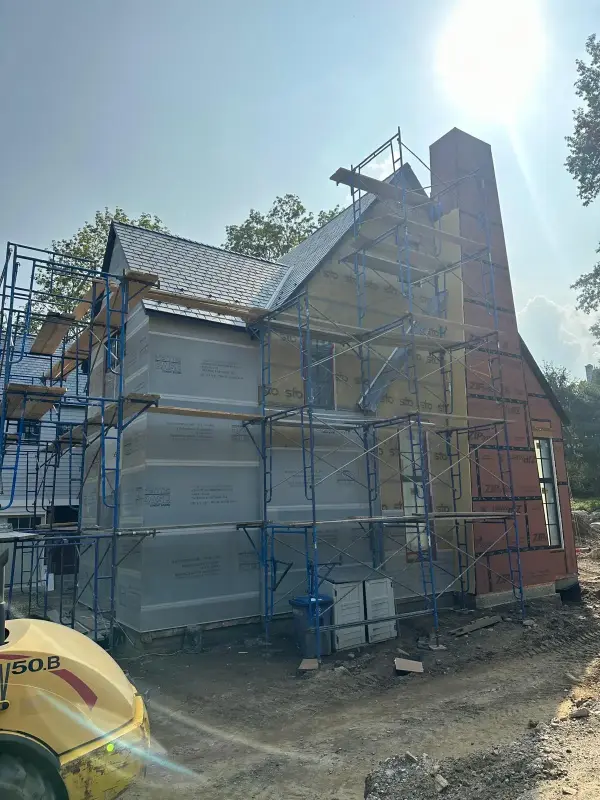
Poor installation is the second big factor. Stucco applied too thin, mixed incorrectly, or cured too fast is more likely to crack. A missing weather barrier or poor flashing around windows lets water in behind the wall.
Drainage also matters. Gutters that overflow, sprinklers aimed at walls, and soil piled against the base all keep stucco wet. Over time, those conditions lead to staining, cracking, and soft spots near the ground.
Signs Your Stucco Is Wearing Out

Stucco usually gives warning signs before it fails. Cracks are the most common. Hairline cracks are normal, but wider or growing cracks need attention.
Stains and streaks, especially below windows and rooflines, can mean water is getting in. White, chalky deposits called efflorescence point to moisture moving through the wall. Bulging, soft, or hollow-sounding areas are more serious. They often mean the stucco has separated from what’s behind it.
Peeling paint and heavy fading show that the surface finish is wearing out. That doesn’t always mean the stucco itself is failing. Still, it’s a good time to have the walls inspected. Catching problems early keeps repairs smaller and less costly.
How to Make Your Stucco Last Longer
A little regular care goes a long way. Inspect your walls once or twice a year, especially after winter.
Check each wall closely. New cracks, stains, and soft spots are all worth noting.
Seal small cracks before they grow. Keep gutters clean and make sure downspouts carry water away from the walls. Point sprinklers away from the house. Keep soil and mulch a few inches below the bottom edge of the stucco.
Wash stucco gently every so often to remove dirt and mildew. Avoid high pressure, which can damage the surface. When the color fades or the finish wears thin, a recoat or fresh paint renews protection.
These simple habits can add years to the life of your stucco.
Ready to talk about your walls? Request a free estimate from K&M Coating.