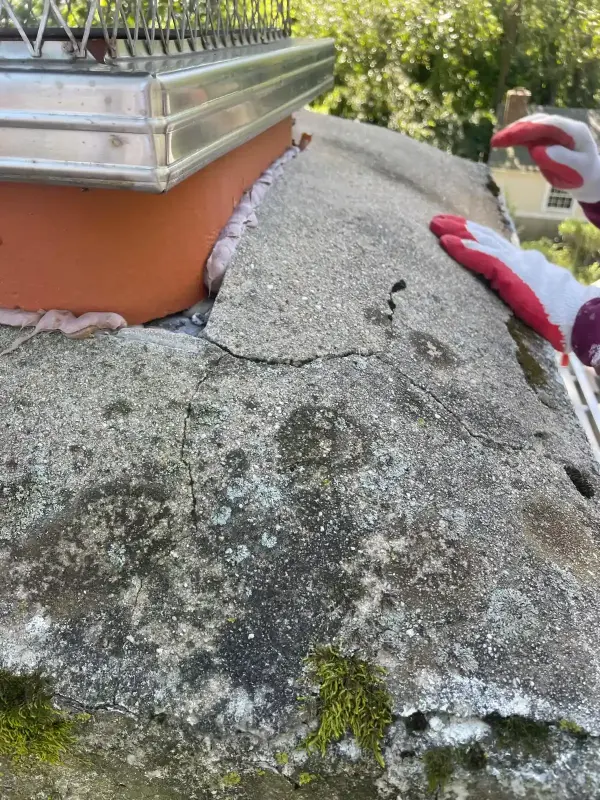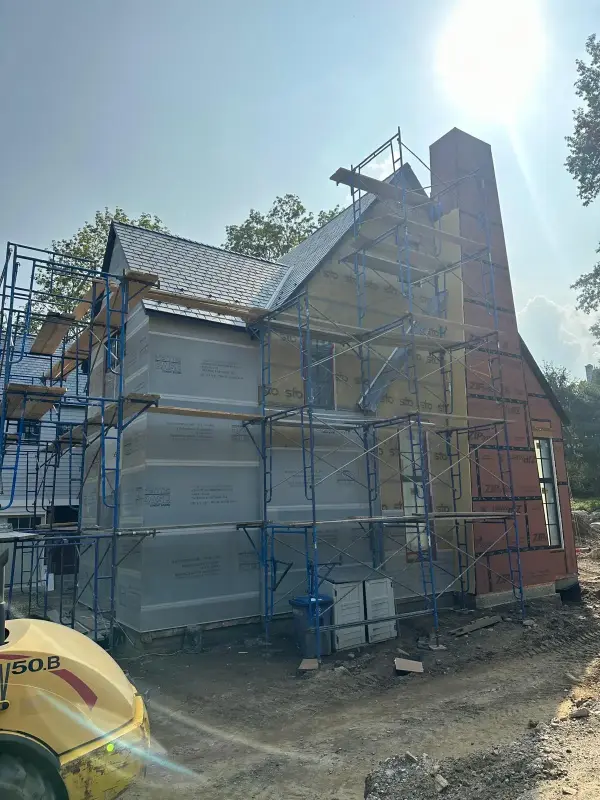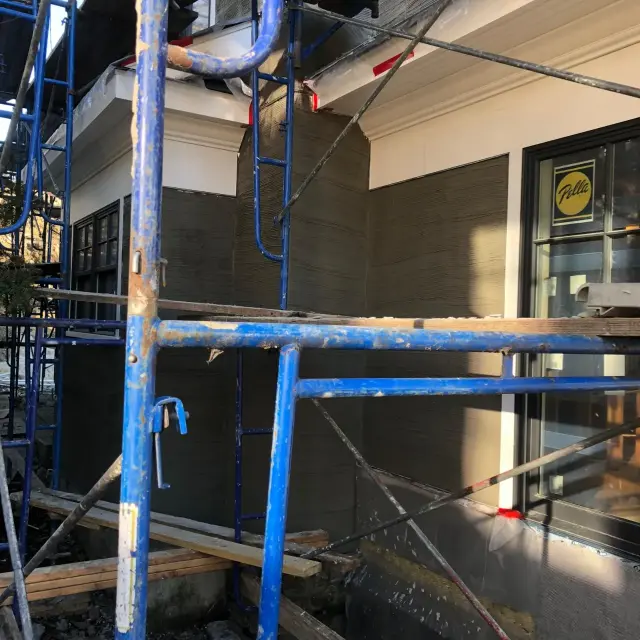
If you’ve noticed thin lines spreading on your walls, you’re probably asking, why is my stucco cracking?
It’s one of the most common questions we hear from homeowners in New York, Connecticut and New Jersey. Stucco is a hard, cement-based finish. It’s strong, but it doesn’t bend much, so it cracks when the house moves or the weather swings. Over time, even well-built walls show a few lines.
Not every crack is a crisis. Some are cosmetic and only need a simple patch. Others point to water getting behind the wall, and that’s where real damage starts. The trick is knowing which is which, and acting before small cracks become big repairs.
In this guide, we’ll walk through the main reasons stucco cracks in the Northeast. You’ll learn how to read the warning signs and what a proper repair looks like. You’ll also see when a crack is something you can watch and when it’s time to call a stucco contractor.
The Most Common Causes of Stucco Cracks
Stucco cracks have several common causes. Houses settle over time, and that small movement pulls on the rigid finish. Wood framing also shrinks and swells as humidity changes during the year.
In New York, freeze-thaw cycles add more stress. Water seeps into tiny gaps, freezes, expands, and pushes them wider. After a few winters, a hairline crack can become a real opening.
Installation matters too. Stucco that was mixed wrong, applied too thin, or cured too fast is far more likely to crack early. Missing control joints on large walls can also lead to random cracking. Impact from ladders, lawn equipment, or a stray baseball can leave chips and cracks as well.
Hairline Cracks vs. Structural Cracks
Hairline cracks are very thin and usually run in short, random lines. They’re common on older stucco and often cosmetic. Still, they should be sealed, since even thin cracks can let water in.
Wider cracks deserve a closer look. Some cracks are wider than about an eighth of an inch. Others keep growing or have uneven edges. These can point to settling or moisture damage. Diagonal cracks running from window and door corners are another common pattern.
Map cracking looks like a web of fine lines on the wall. It often comes from how the stucco was cured. It’s usually not structural, but large areas may need a full recoat to look even again.
Warning Signs of Hidden Water Damage
The crack itself isn’t always the biggest problem. What matters is whether water is getting behind it.
Watch closely around windows, doors, and the base of each wall.
Check below each crack, too. Stains or dark streaks there are a warning sign. Press on any area that looks swollen to see if it feels soft. Tap the wall and listen closely. A hollow sound is a bad sign. White, chalky deposits called efflorescence also show that moisture is moving through the stucco. Inside the house, peeling paint near exterior walls is another clue.
Any of these signs means moisture may be reaching the lath or framing. That’s when a quick patch isn’t enough. A contractor should open the area, check what’s behind it, and repair the damage before sealing it back up.
How Stucco Cracks Are Repaired
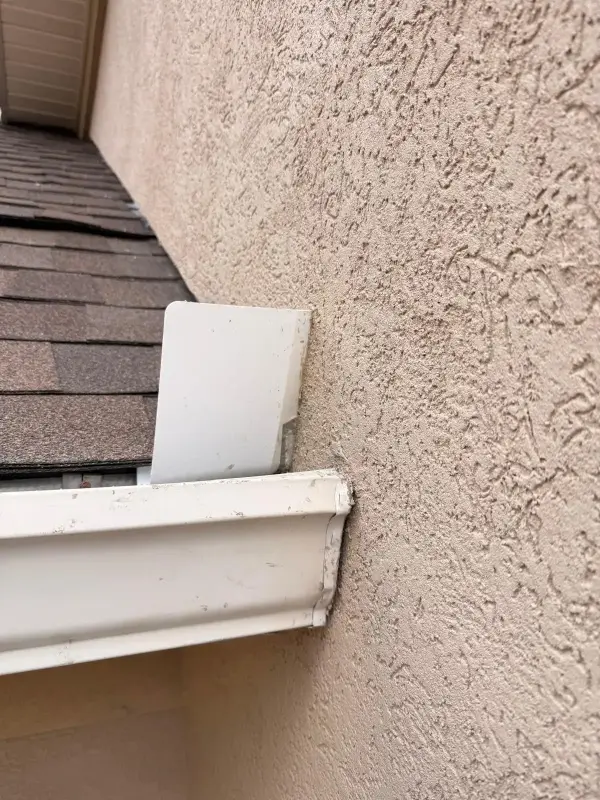
A good repair starts with opening the crack slightly, so the patch has something to grip. The crack is cleaned of dust and loose material. Then it’s filled with a compatible patching mix or a flexible sealant, depending on the size and movement.
Larger damaged areas are cut out and rebuilt in layers, just like original stucco. The final coat is textured to match the wall around it. Color blending comes last, with a matching finish coat or paint.
Skip the tube of caulk from the hardware store. It rarely matches, tends to fail, and often traps water. If you’re seeing cracks on your home, a stucco crack repair specialist can tell you which approach fits your walls.
Ready to talk about your walls? Request a free estimate from K&M Coating.